Value Added Tax (VAT) is a consumption tax placed on a product whenever value is added at each stage of the supply chain, from production to the point of sale. For business owners in Nigeria, understanding VAT is not optional; it is a legal requirement. Mishandling VAT can lead to severe penalties from the Federal Inland Revenue Service (FIRS) and damage your business’s reputation.
Despite its importance, VAT remains one of the most misunderstood concepts among SMEs and freelancers. This guide breaks down the essentials of VAT in Nigeria, focusing on practical application for daily business operations.
The Basics: Rates and Vatable Items
Currently, the standard VAT rate in Nigeria is 7.5%. It is crucial to understand that you, as the business owner, are merely an agent collecting this tax on behalf of the government. The money does not belong to you, and it should ideally be kept in a separate account until it is time to remit it to the FIRS.
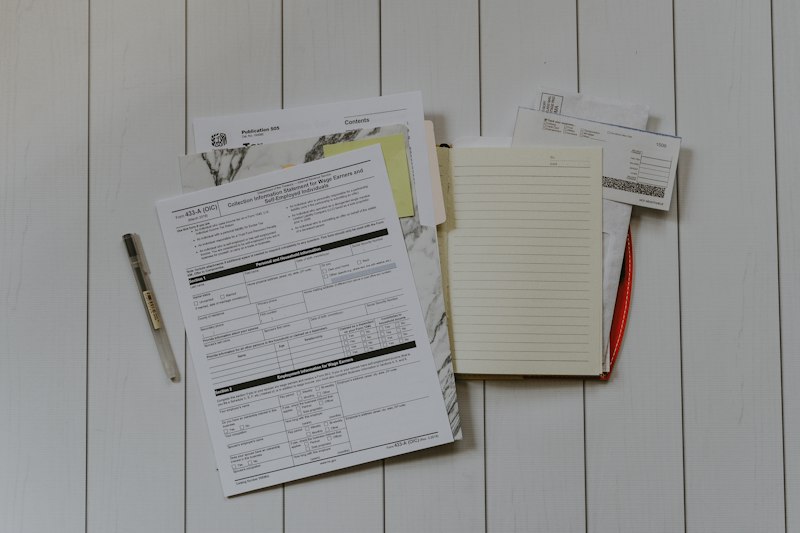
Accurate VAT calculation is essential for FIRS compliance.
Not everything is vatable. The law provides a list of exempt items, which typically include basic food items (like rice and yam), medical and pharmaceutical products, books, and educational materials. Furthermore, services rendered by microfinance banks and medical services are also exempt. It is your responsibility to verify if the specific goods or services you offer fall under the vatable category.
Invoicing and Remittance
If your goods or services are vatable, your invoice must clearly show the VAT charge. Do not just bundle it into the final price. A compliant invoice shows the Subtotal, explicitly lists “VAT (7.5%)” with the calculated amount, and then provides the Final Total. This transparency is required by corporate clients who need to claim input VAT.
Remittance is equally important. VAT collected must be filed and remitted to the FIRS on or before the 21st day of the month following the month of transaction. Late filing attracts significant penalties, starting at a flat rate and accumulating daily. Automating your invoicing ensures you always have an accurate record of the VAT you have collected, making the filing process much less painful.